Getting started with emergency preparedness
A clear starting point for emergency preparedness: how to begin, what to put in a kit, how to make a family plan, and how to build financial readiness.
Contents
- Start with a short risk list
- Build a small emergency kit
- Plan money and documents
- Emergency Preparedness Questions
- How do you prepare for emergencies when you have never done it before?
- How can you start prepping for emergencies on a tight budget?
- What should a family emergency plan include?
- What is the first step in preparedness for a household?
Getting started with emergency preparedness means deciding what your household would need if normal services stopped for a while. You begin by naming the risks you can act on, then gather a small emergency kit, agree on a family emergency plan, and set aside money and documents for financial readiness. The page walks through each first step in the order that keeps the work manageable.
Start with a short risk list
Emergency preparedness basics begin with a short list of the events your household could plausibly face. Think about power loss, water loss, severe weather, fire, and medical emergencies, then note which ones affect your home most. Write the list on one page and keep it with your emergency preparedness planning notes. A short list you can act on beats a long one you never finish.
Build a small emergency kit
An emergency kit is a set of supplies kept together so you can reach them without searching. For beginner preparedness steps, start with water, nonperishable food, a flashlight, batteries, a first aid kit, copies of key documents, and any medicine your household relies on. Store the kit where everyone knows to look, and check it on a fixed date each year. Add supplies over time instead of trying to complete the kit at once.
Plan money and documents
Preparedness investment covers both supplies and the money you keep ready for disruption. Financial readiness means knowing what your household spends, holding a reserve you can reach quickly, and keeping copies of key documents in a safe place. Personal finance organization helps here, because a simple folder of accounts and contacts saves time in a crisis. Review the reserve and the document copies at the same yearly check as your kit.
Emergency Preparedness Questions
How do you prepare for emergencies when you have never done it before?
You prepare for emergencies by taking one small step at a time rather than trying to cover everything at once. Start with a written list of the events your household could face, then set aside water, food, and light for a short disruption. Add a family emergency plan and a document folder after that, and build from there. Emergency preparedness for beginners works when the first steps stay small and repeatable.
How can you start prepping for emergencies on a tight budget?
You can start prepping for emergencies by using what you already own and adding items gradually. Check your kitchen and closets for water containers, flashlights, and shelf-stable food before buying anything new. Add one useful item to the kit each time you shop, and keep the list of what is missing with your emergency preparedness planning notes. Cost matters less than steady additions over time.
What should a family emergency plan include?
A family emergency plan should say where household members meet, how they reach each other, and who to call if local lines fail. Name an out-of-area contact that everyone can reach when local service is down, and write the plan on one page. Include the medical needs and medicines of each person in the household. Practice the plan together so the meeting place is familiar before you need it.
What is the first step in preparedness for a household?
The first step in preparedness is writing down the risks your household would actually face. Preparedness 101 starts with that list because it tells you which supplies and plans matter for your home. From there, gather a small emergency kit and agree on a family emergency plan. Getting started with prepping then becomes a routine of small checks rather than a single large purchase.
Read next
-
 Where to keep and organize emergency contacts and medical information
-
 Frequently asked emergency preparedness questions
-
 Free emergency plan templates
-
 Fire extinguisher classes and types explained
-
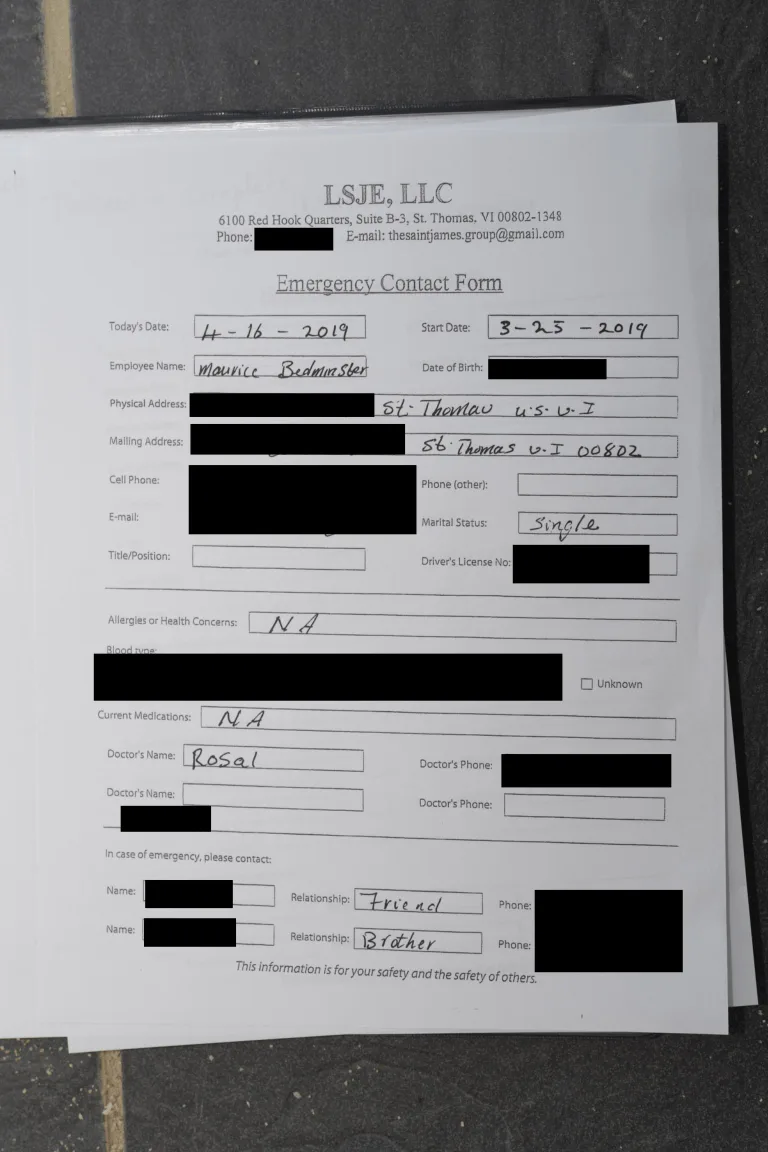 Emergency medical information form
-
 Emergency plan manual
-
 Organize household emergency readiness reminders
-
 Emergency kit battery maintenance
-
 Emergency kit design ideas
-
 Emergency water storage calculators



