Frequently asked emergency preparedness questions
Plain answers to the questions households ask about emergency kits, family plans, and disaster readiness, with steps you can start today.
Contents
- What emergency preparedness covers
- Emergency kit basics for a household
- Building a family emergency plan
- Questions to ask about your plan
- Storing documents and medication details
- Practicing the plan as a household
- Keeping the household ready over time
- Emergency Preparedness Questions Answered
- What are frequently asked emergency preparedness questions?
- What should a beginner put in an emergency kit first?
- How do we make a family emergency plan?
- Where should we keep emergency documents?
- How often should we review our emergency plan and kit?
- What is the difference between disaster preparedness and emergency preparedness?
Emergency preparedness means having a kit, a plan, and a way to stay in touch before something goes wrong. The questions below cover what to pack, how to build a family plan, and how to keep your household ready over time. Each answer is written to stand alone, so you can save or share the part you need.
- Build an emergency kit around water, food, light, first aid, medicine, and copies of key documents.
- Write a family emergency plan with meeting places, contacts, and a check-in method that works without power.
- Store your plan and kit where the household can reach them quickly, and review them on a set schedule.
- Keep documents, medication lists, and insurance details together in a waterproof place.
- Teach every family member the plan and run a short practice so nobody learns it during a crisis.
What emergency preparedness covers
Emergency preparedness covers three linked pieces: supplies, a written plan, and practice. Disaster preparedness also includes knowing which hazards can reach your area and how you would learn about them. Household readiness grows from small, repeatable steps rather than one large purchase.
A useful way to frame the subject is what you would need if normal services stopped for a while. Power, water, phone service, and roads can all be affected at the same time in a disaster. Your preparations should let you shelter in place safely or leave with short notice.
Questions to ask about disaster preparedness start with your own household. How many people live here, who needs extra help, and what would each person carry? Write the answers down where the household can see and update them.
Emergency kit basics for a household
An emergency kit is a stored set of supplies you can use without shopping or searching. Emergency kit basics include drinking water, shelf-stable food, a manual can opener, a flashlight, batteries, a first aid kit, and any prescription medicine. Keep the kit in a container you can carry or move easily.
Think about the people and animals in your home when you build the kit. Add supplies for infants, older adults, pets, and anyone with a medical condition or disability. Copies of important documents, a list of medications, and some cash in small bills belong in a waterproof bag inside the kit.
Check the kit on a regular date you choose, such as the start of a season. Replace food and medicine that are past their date, test the flashlight, and refill the water. A kit that is checked stays useful, while a forgotten one quietly becomes clutter.
- Drinking water for each person and pet
- Shelf-stable food and a manual can opener
- Flashlight, batteries, and a battery or hand-crank radio
- First aid kit and prescription medicine
- Copies of documents, medication list, and small cash
- Phone charger and backup power for it
- Supplies for infants, older adults, and pets
- A written family plan inside the kit
Building a family emergency plan
A family emergency plan is a short written document that tells everyone what to do when normal routines break. Family readiness works because the plan is simple, shared, and practiced, not because it is detailed. Keep one copy at home, one in each vehicle, and one in your phone.
Name two meeting places for the family plan. One should be close to home for a sudden evacuation, and one should be farther away in case the neighborhood is closed. Add an out-of-area contact who can relay messages when local phone lines are busy.
Decide how the household will check in when the power is out and the internet is down. A short text message or a call to the out-of-area contact can work when other channels fail. Write the check-in method on the plan so no one has to invent it under stress.
- Meeting place close to home
- Meeting place outside the neighborhood
- Out-of-area contact name and number
- Check-in method for each family member
- Who collects children from school or care
- Who handles pets and supplies
- Where the kit and documents are kept
- Date of the last plan review
Questions to ask about your plan
Questions to ask about emergency preparedness should test the plan against real situations. Ask who would pick up each child, who would help a family member with limited mobility, and who would bring the pets. Every answer should name a person and a backup.
Ask what each family member would carry if you had to leave quickly. A small bag with a change of clothes, medicine, and a phone charger is enough for a short evacuation. People with medical needs should carry a written list of their conditions and prescriptions.
Ask how the household would manage if the plan failed. A backup contact, a second meeting place, and a little extra cash cover many small failures. Reviewing the questions each year keeps the family plan from drifting away from real life.
Storing documents and medication details
Emergency documents are the records you would need to prove who you are and what you own. Keep copies of identification, insurance details, medical records, and account numbers in a waterproof container. Digital copies stored where you can reach them from any device add a second layer.
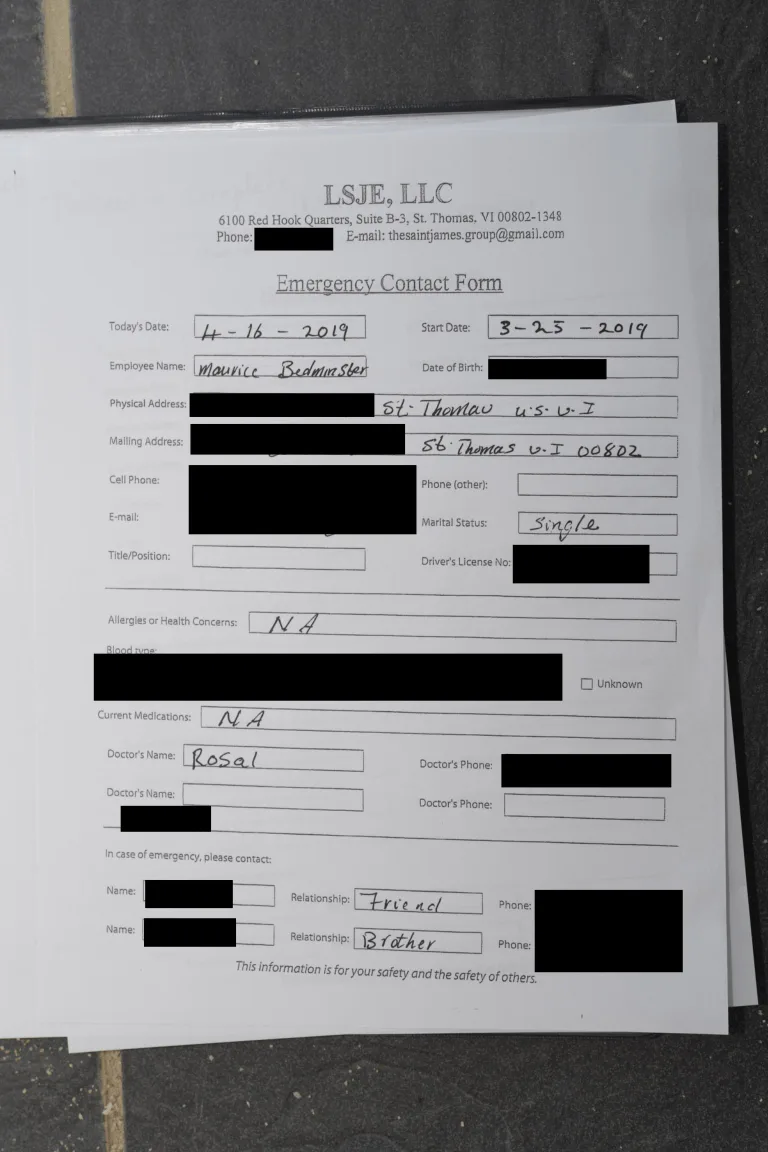
A medication list belongs with those documents and inside the emergency kit. List each medicine, the dose, and the reason it is taken, and update it when anything changes. Anyone helping your household during an emergency can then act on accurate information.
Treat the document folder as part of household readiness, not a separate chore. When you review the kit, open the folder and check that the copies are current. Replace outdated pages at the same time so the folder never becomes a stale pile.
Practicing the plan as a household
Practice turns a written plan into a routine the household can follow. Run a short check every few months: gather at the meeting place, find the kit, and try the check-in method. Keep the exercise calm and brief so children and older family members stay comfortable.
Use the practice to find gaps rather than to perform perfectly. Note which supplies are missing, which contacts no longer answer, and which steps confused anyone. Update the plan and the kit right after the exercise while the details are fresh.
Practice also builds family readiness for the moments when no one is at home together. Each person should know the meeting place and check-in method on their own. A household that has rehearsed the steps can act without waiting for instructions.
Keeping the household ready over time
Household readiness is a habit, so give it a fixed place in your calendar. Choose a season or a month to review the kit, the plan, and the document folder together. A repeating reminder in a shared calendar keeps the task from depending on memory.
Record the questions, decisions, and handovers in one calm place the family can find. Notes about who has which supplies, which contact has changed, and what needs replacing keep everyone aligned. A single shared note prevents four people from making four different plans.
Update the plan when life changes, such as a new address, a new school, a new pet, or a change in medication. Small updates at the moment of change are easier than a full rewrite later. The plan stays useful when it stays current.
Emergency Preparedness Questions Answered
What are frequently asked emergency preparedness questions?
Frequently asked emergency preparedness questions usually cover what to put in a kit, how to write a family plan, and how to stay in contact during a disaster. People also ask how to store documents, how to include pets and older adults, and how often to review supplies. Each answer starts with the basic supplies and the written plan.
What should a beginner put in an emergency kit first?
A beginner should start with water, food, light, first aid, and medicine. An emergency kit basics set also includes a manual can opener, a battery or hand-crank radio, a phone charger, and copies of important documents. Add supplies for pets, infants, and anyone with a medical condition.
How do we make a family emergency plan?
A family emergency plan starts with two meeting places, an out-of-area contact, and a check-in method. Write down who collects each child, who helps family members with limited mobility, and who handles the pets. Keep copies at home, in vehicles, and on phones, and practice the steps together.
Where should we keep emergency documents?
Emergency documents belong in a waterproof container with the kit, plus a digital copy you can reach from any device. Include identification, insurance details, medical records, and a current medication list. Check the copies during each review and replace outdated pages.
How often should we review our emergency plan and kit?
A household should set a fixed review date, such as the start of a season, and check the kit against its contents list. The plan needs the same review so contacts, schools, and medication details stay accurate. Update everything right after a practice or a life change.
What is the difference between disaster preparedness and emergency preparedness?
Disaster preparedness and emergency preparedness describe the same work with slightly different emphasis. Emergency preparedness focuses on supplies, a plan, and quick response for any disruption. Disaster preparedness adds knowledge of the hazards that can reach your area and how you would learn about them.
Read next
-
 Where to keep and organize emergency contacts and medical information
-
 Free emergency plan templates
-
 Getting started with emergency preparedness
-
 Fire extinguisher classes and types explained
-
 Emergency medical information form
-
 Emergency plan manual
-
 Organize household emergency readiness reminders
-
 Emergency kit battery maintenance
-
 Emergency kit design ideas
-
 Emergency water storage calculators



