Planned maintenance system (PMS)
Learn what a planned maintenance system is, how schedules and job cards work onboard a ship, and how PMS software keeps tasks tracked and ready for inspection.
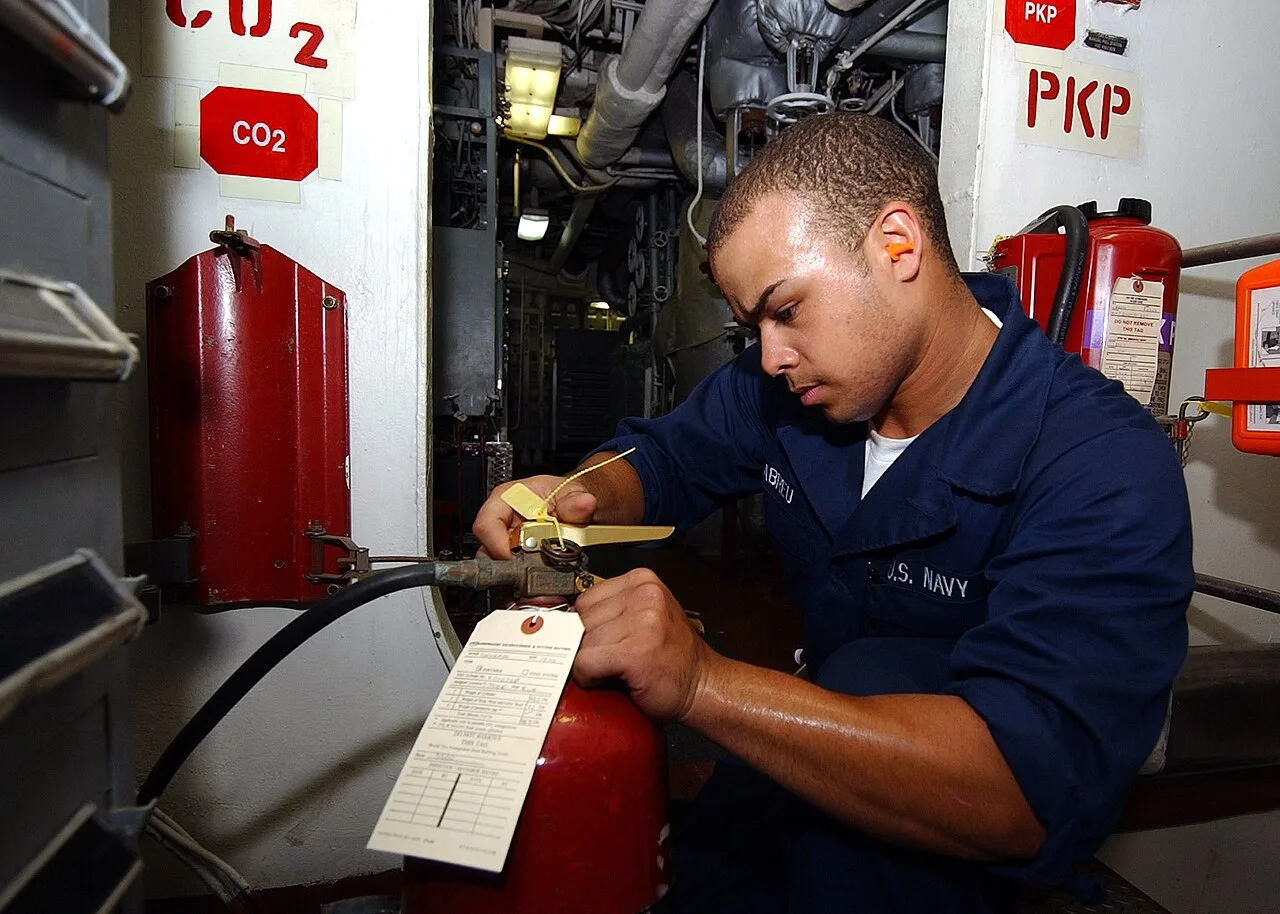
Contents
- What a planned maintenance system is
- The parts every PMS contains
- How maintenance scheduling works day to day
- A simple planned maintenance system example
- Planned maintenance system onboard ship
- Planned maintenance system software
- Compliance and inspection requirements
- Keeping the schedule alive
- Questions about planned maintenance systems
- What is a planned maintenance system example I can copy?
- Is a planned maintenance system a mandatory requirement, and as per what?
- How does a planned maintenance system work onboard ship?
- Do I need planned maintenance system software, or can paper work?
- Where can I find a planned maintenance system PDF for ships?
- What makes a planned maintenance system fail in practice?
A planned maintenance system (PMS) is an organized schedule of recurring maintenance tasks, each tied to an item of equipment and to a record that proves the work was done. The system turns maintenance from a reaction to breakdowns into a set of planned jobs with owners, intervals and sign-offs. A PMS works the same way for a ship's machinery, a building's plant or a family's home equipment.
- A PMS pairs every maintenance task with a piece of equipment, an interval and a record of completion.
- Job cards, schedules and history logs are the three parts that keep a planned maintenance system usable.
- Regulations require a documented maintenance system for many vessels, and inspectors ask to see the records.
- Software makes scheduling and evidence easier, but a paper system follows the same logic.
- A PMS only helps when completed jobs are signed off and reviewed on a set rhythm.
What a planned maintenance system is
A planned maintenance system is a documented schedule of maintenance work that repeats at set intervals. Each entry names the equipment, the task to perform, the interval and the person responsible. The system also stores what happened after the task was carried out.
The word planned is the core of the idea. Instead of repairing equipment after it fails, the PMS sets the work in advance and spreads it across a calendar. Planners can then match the workload to available crew or staff time.
A PMS is not the same as a repair log. A repair log records what broke, while a planned maintenance system records what should be done, when it is due and whether it was finished. Both belong together, but they serve different purposes.
The parts every PMS contains
Every planned maintenance system rests on three parts: a register of equipment, a set of scheduled tasks and a record of completed work. The equipment register lists each item covered and gives it a unique identifier. The schedule holds the task, interval and owner for each item.
The record of completed work is the part inspectors and managers read first. A completed job should show the date, the person who did it and any note about condition or defects. Records that stay blank tell a reader the system is not being followed.
Job cards, also called work orders, connect the schedule to the record. A job card is issued when a task falls due, carries the task description and the safety points, and returns with a signature. Filing job cards by equipment identifier keeps the history easy to trace.
How maintenance scheduling works day to day
Maintenance scheduling starts with intervals set by the equipment maker, the operator or a reliability assessment. Intervals may be based on running hours, calendar time or condition readings. Each task is then placed on a rolling program so that work arrives in manageable batches.
A planner reviews upcoming tasks and checks that parts, tools and people are available before the due date. Deferred tasks are moved with a reason recorded, not silently dropped. This discipline is what separates a live system from a list that nobody opens.
When a task is done, the worker signs the job card and notes any defect found. Defects feed back into the schedule as new tasks or as repairs. The loop of schedule, execute and record keeps the maintenance program current.
- Register the equipment and give each item an identifier.
- Set task intervals from maker guidance and operating conditions.
- Issue a job card when a task falls due.
- Sign off the task with date, name and notes.
- Record defects and add follow-up tasks.
- Review the schedule on a fixed rhythm.
A simple planned maintenance system example
A planned maintenance system example for a household is a schedule for a boiler, a car and smoke alarms. The boiler service goes on an annual task, the car service follows mileage, and the alarm test repeats monthly. Each task has an owner and a place to sign off.
For a ship, an onboard example covers the main engine, steering gear, lifeboats and fire pumps. Each item has its own set of tasks, from weekly running checks to annual overhauls. The crew signs off each task and the chief engineer reviews the record.
The same example works for a small business with a generator, air conditioning and fire extinguishers. The scale changes, but the structure does not: equipment register, schedule, job card and history. A reader can copy this pattern into a paper file or a spreadsheet.
Planned maintenance system onboard ship
A planned maintenance system onboard ship coordinates work across a vessel that cannot call a specialist at short notice. Crew members carry out most scheduled tasks at sea and record them in the PMS. The system must cover machinery, safety equipment and hull items that keep the ship seaworthy.
A shipboard PMS divides tasks by department, such as deck, engine and safety. Each task shows the interval, the tools needed and any permit required for hot work or enclosed spaces. Shore staff review the records to plan spares and dry-docking work.
Working at sea limits when a task can be done, so the schedule allows some flexibility. A task overdue because of weather or cargo operations needs a written reason and a plan. Unrecorded deferral is the weakness that inspection regimes look for on ships.
Planned maintenance system software
Planned maintenance system software stores the equipment register, schedule and history in one database. It generates due lists, issues job cards and keeps signed records in a searchable form. Software replaces the paper file but not the underlying maintenance logic.
Software for ships often adds fleet-wide reporting and links to spare parts stock. Shore staff can see overdue tasks across several vessels and compare defect trends. Buyers should check that the software fits the tasks the crew actually performs.
A paper system remains valid and meets the same purpose where connectivity is limited. The risk with any planned maintenance system software is a database full of tasks that nobody closes. Choosing software is less important than deciding who reviews the records and how often.
Compliance and inspection requirements
A planned maintenance system is a mandatory requirement under international maritime safety rules for many vessels. The relevant conventions require the ship to be maintained and the maintenance to be documented. A PMS is one accepted way to show that maintenance is planned and recorded.
Inspectors check the PMS during surveys by sampling tasks and comparing them against the actual condition of the equipment. They look for overdue tasks, missing signatures and defects without follow-up. A complete record with clear ownership survives this check.
Rules differ by vessel type, flag state and trade, so an owner should confirm the exact requirement with the maritime administration. A shore-based organization may follow local safety or insurance requirements instead. The PMS structure serves either case when the records are honest and current.
| Part of the PMS | What it proves |
|---|---|
| Equipment register | The covered items are known |
| Schedule with intervals | Maintenance is planned in advance |
| Signed job cards | Tasks were carried out |
| Defect notes | Problems were followed up |
Keeping the schedule alive
A planned maintenance system fails when the schedule grows and the review stops. A fixed review rhythm, such as a monthly check of overdue items, keeps the program honest. The review should name who looks at the due list and who acts on it.
Intervals need revisiting when equipment ages, moves to harder duty or shows repeated defects. Adjusting an interval is a decision to record, with the reason kept alongside the task. Leaving an interval untouched for years assumes conditions never change.
New equipment should enter the register with its maker guidance before it starts running. Retired equipment should leave the register so the due list stays accurate. A short, current register is easier to trust than a long, stale one.
Questions about planned maintenance systems
What is a planned maintenance system example I can copy?
A simple example is a schedule for a boiler, a car and smoke alarms, each with an owner, an interval and a sign-off line. A ship version covers the main engine, steering gear and lifeboats with weekly to annual tasks. The register, the schedule and the signed record are the same in both.
Is a planned maintenance system a mandatory requirement, and as per what?
A planned maintenance system is a mandatory requirement as per international maritime safety conventions for many vessels. Those rules require documented maintenance, and a PMS is an accepted way to show it. Exact obligations depend on vessel type, flag state and trade, so confirm them with the maritime administration.
How does a planned maintenance system work onboard ship?
A planned maintenance system onboard ship assigns each scheduled task to a crew member, who completes it and signs the job card. Department heads review the records and shore staff use them to plan spares and dock work. Overdue tasks need a written reason and a recovery plan.
Do I need planned maintenance system software, or can paper work?
Planned maintenance system software is not required for the system to function. A paper file with an equipment register, job cards and a due list meets the same purpose where connectivity is limited. Software helps when several sites need to see the records together.
Where can I find a planned maintenance system PDF for ships?
A planned maintenance system PDF for ships is usually a maker manual, a sample schedule or a blank job card set. Ask the equipment maker and the vessel's technical manager for their templates before searching elsewhere. Check that any template matches the rules your vessel follows.
What makes a planned maintenance system fail in practice?
A planned maintenance system fails when completed tasks are never signed off or reviewed. A database full of open job cards shows the schedule is not being followed. A fixed review rhythm with a named owner keeps the records trustworthy.